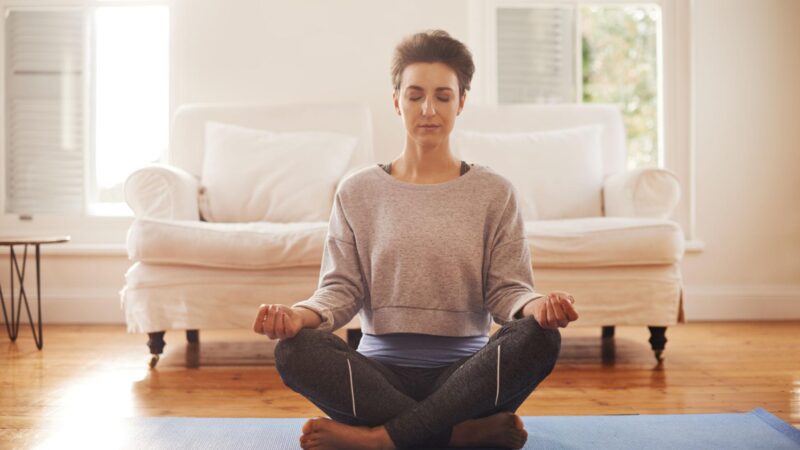

Minimalist Living: How to Simplify Your Life and Reduce Stress
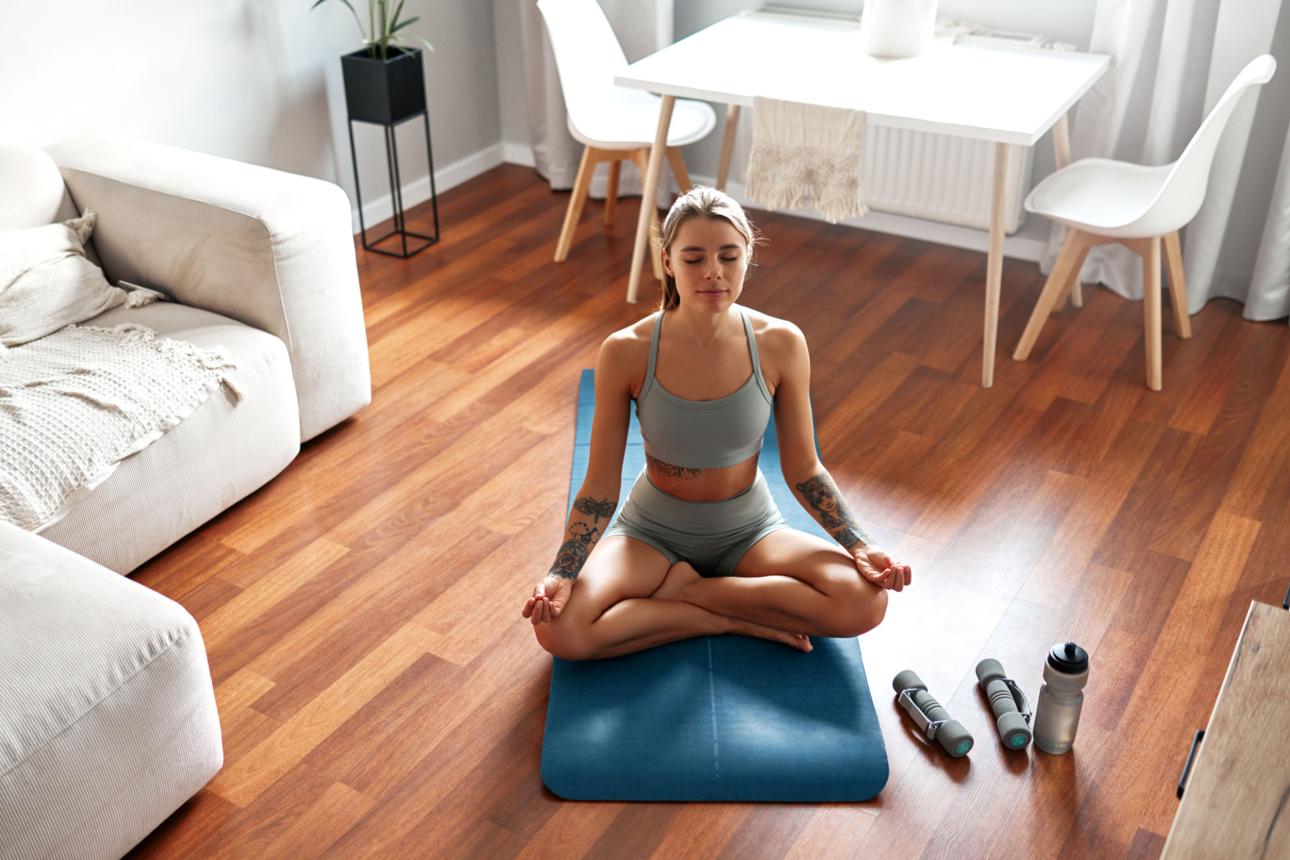
A Complete Guide to Declutter Your Mind, Home, and Lifestyle
In today’s fast-paced world, we are constantly surrounded by noise, clutter, and distractions – both physical and mental. From overflowing wardrobes to endless notifications, modern life often feels overwhelming. This is where minimalist living comes in—a lifestyle that focuses on simplicity, clarity, and intentional living.
Minimalism is not about owning nothing. It’s about owning what truly matters and letting go of everything that doesn’t. By embracing minimalism, you can reduce stress, improve focus, and create a life filled with purpose and peace.
What is Minimalist Living?
Minimalist living is a lifestyle that encourages you to remove excess from your life – whether it’s physical items, mental clutter, or unnecessary commitments.
At its core, minimalism is about:
- Living with intention
- Prioritizing quality over quantity
- Creating space for what truly matters
Instead of chasing more, minimalism helps you appreciate less—but better.
Benefits of Minimalist Living
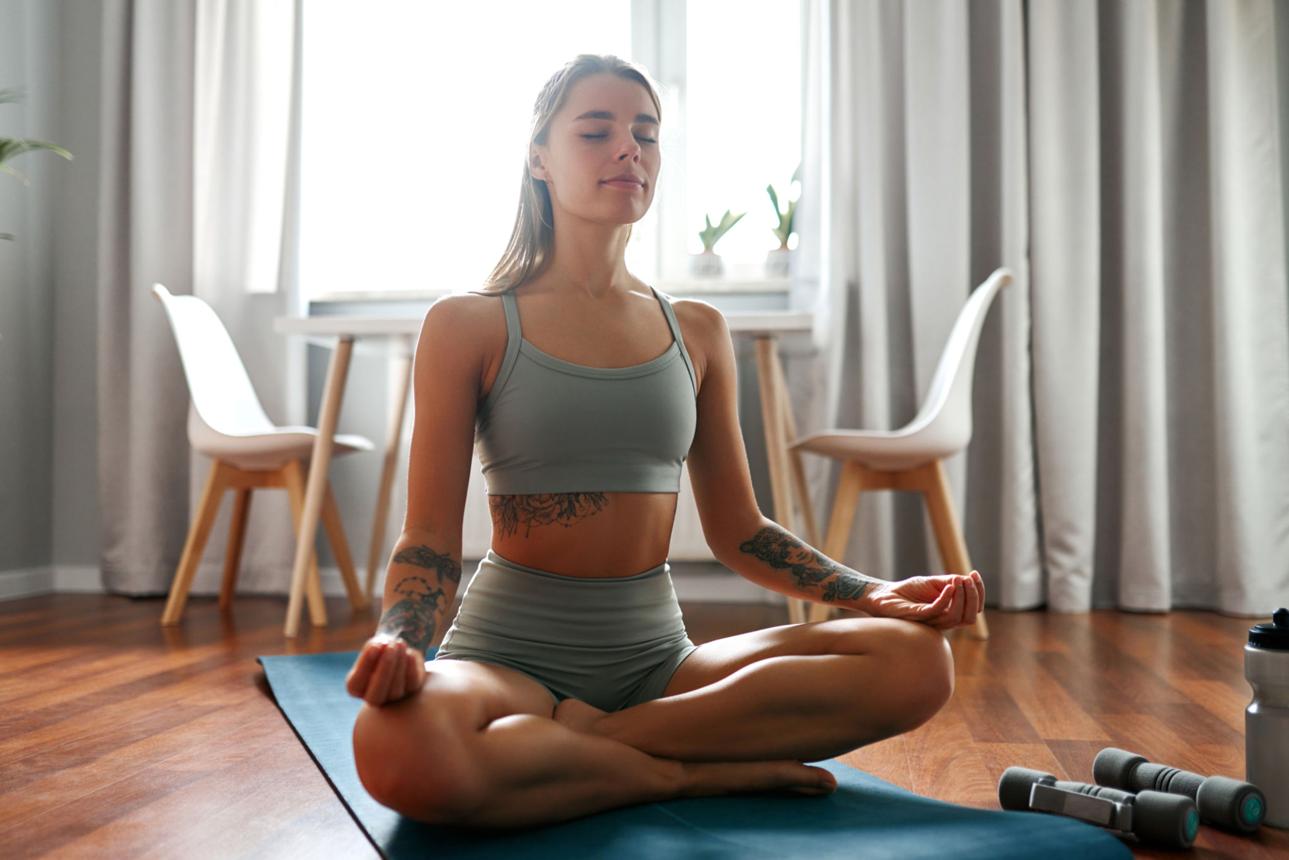 1. Reduced Stress and Anxiety
Clutter creates chaos. A clean and simple environment helps your mind feel calm and in control.
2. Better Focus and Productivity
With fewer distractions, you can focus on what truly matters – whether it’s work, relationships, or personal growth.
3. Financial Freedom
Minimalism reduces unnecessary spending, helping you save more and spend wisely.
4. More Time for What Matters
Less stuff = less cleaning, organizing, and managing. This frees up time for family, hobbies, and self-care.
5. Improved Mental Clarity
A minimalist lifestyle clears mental clutter, helping you make better decisions and feel more peaceful.
How to Start Minimalist Living (Step-by-Step)
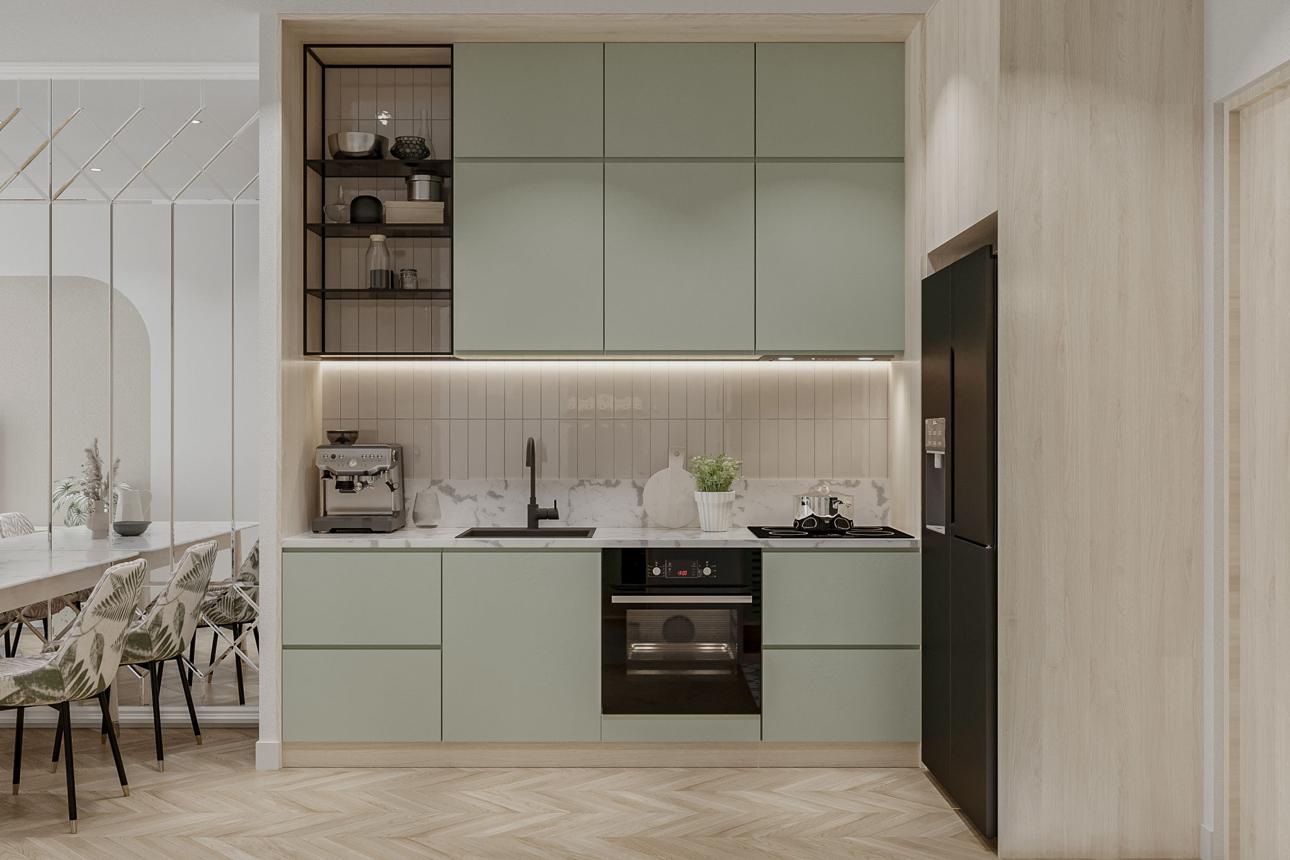 1. Start with Decluttering Your Space
Begin with your physical environment – it’s the easiest place to start.
Practical Tips:
- Use the “Keep, Donate, Discard” method
- Remove items you haven’t used in the last 6 – 12 months
- Start small (one drawer, one shelf)
Decluttering creates instant visual relief and motivates you to continue.
2. Build a Minimalist Wardrobe
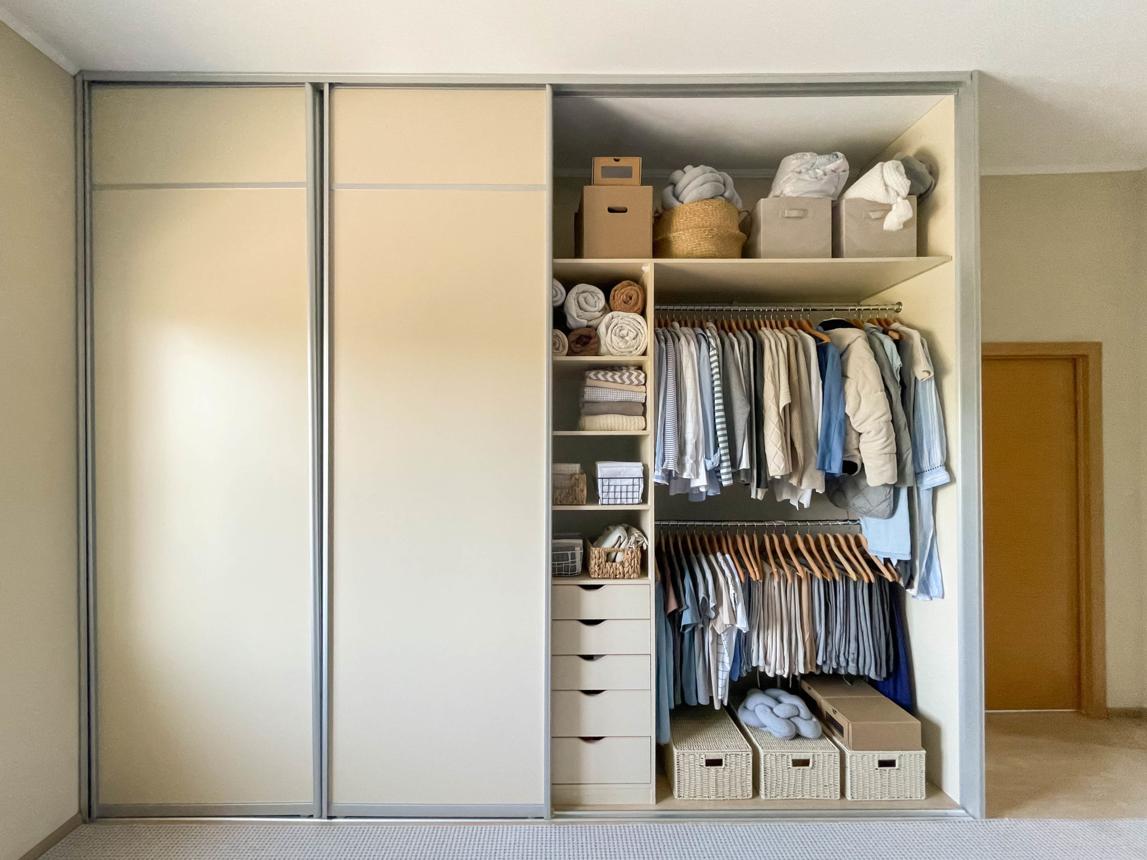 A capsule wardrobe focuses on versatile, timeless pieces.
Key Ideas:
- Choose neutral colors
- Focus on quality over quantity
- Keep only clothes you love and wear regularly
This saves time, reduces decision fatigue, and simplifies daily life.
3. Simplify Your Digital Life
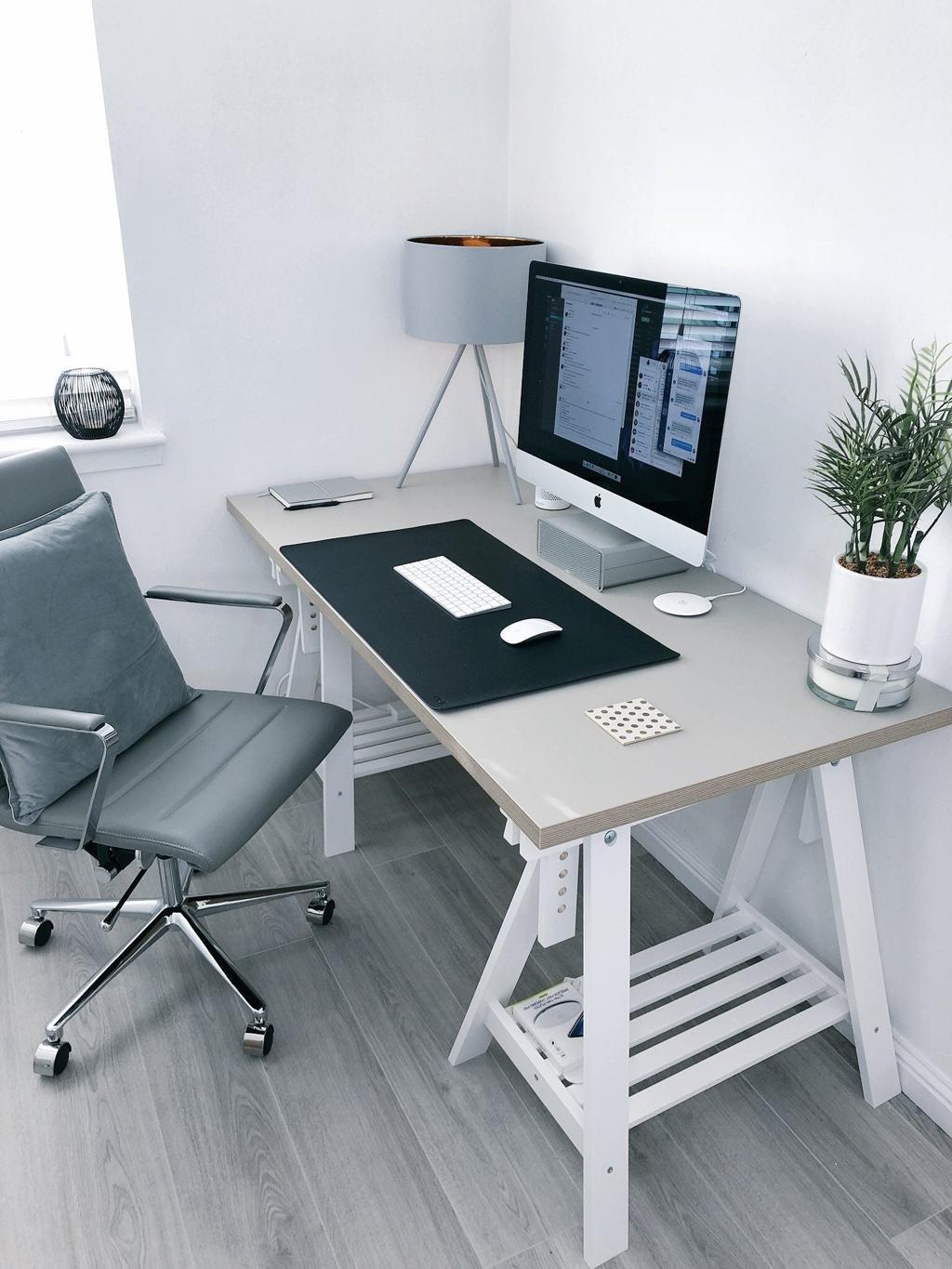 Digital clutter is just as stressful as physical clutter.
Action Steps:
- Delete unused apps
- Unsubscribe from unnecessary emails
- Limit social media usage
- Organize files and folders
A clean digital space leads to a clearer, calmer mind.
4. Practice Mindful Consumption
Before buying anything, ask yourself:
👉 Do I really need this?
👉 Will this add value to my life?
Minimalism encourages intentional spending and reduces impulse purchases.
5. Prioritize Experiences Over Things
Instead of buying more stuff, invest in:
- Travel
- Learning new skills
- Spending time with loved ones
Experiences create lasting memories, unlike material possessions.
Minimalism for Mental Health
Minimalism isn’t just about your home – it’s about your mind.
Practices to Try:
- Meditation and mindfulness
- Journaling your thoughts
- Saying “no” to unnecessary commitments
- Creating boundaries
By reducing mental clutter, you can achieve inner peace and emotional balance.
Minimalism and Money
Minimalist living naturally leads to better financial habits.
How It Helps:
- Cuts down impulsive shopping
- Encourages saving and investing
- Reduces debt and financial stress
You shift from consumer mindset → conscious living.
Common Myths About Minimalism
Myth 1: Minimalism Means Owning Nothing
✔ Truth: It’s about owning what adds value.
Myth 2: Minimalism is Boring
✔ Truth: It creates space for creativity and joy.
Myth 3: It’s Only for Rich People
✔ Truth: Anyone can practice minimalism, regardless of income.
Minimalism and Sustainable Living
Minimalism also supports an eco-friendly lifestyle:
- Reduces waste
- Encourages reuse and recycling
- Promotes conscious consumption
Living with less helps both you and the planet.
Tips to Maintain a Minimalist Lifestyle
- Follow the “One In, One Out” rule
- Regularly declutter your space
- Avoid impulse buying
- Focus on long-term value
- Stay mindful of your goals
Consistency is key to sustaining minimalism.
Final Thoughts
Minimalist living is not about restriction – it’s about freedom. Freedom from clutter, stress, and unnecessary distractions.
By simplifying your life, you make room for:
✔ Peace
✔ Happiness
✔ Purpose
Start small. Stay consistent. And remember – less truly is more.